Is Professional Upholstery Cleaning Worth It? What Sydney Homeowners Should Know
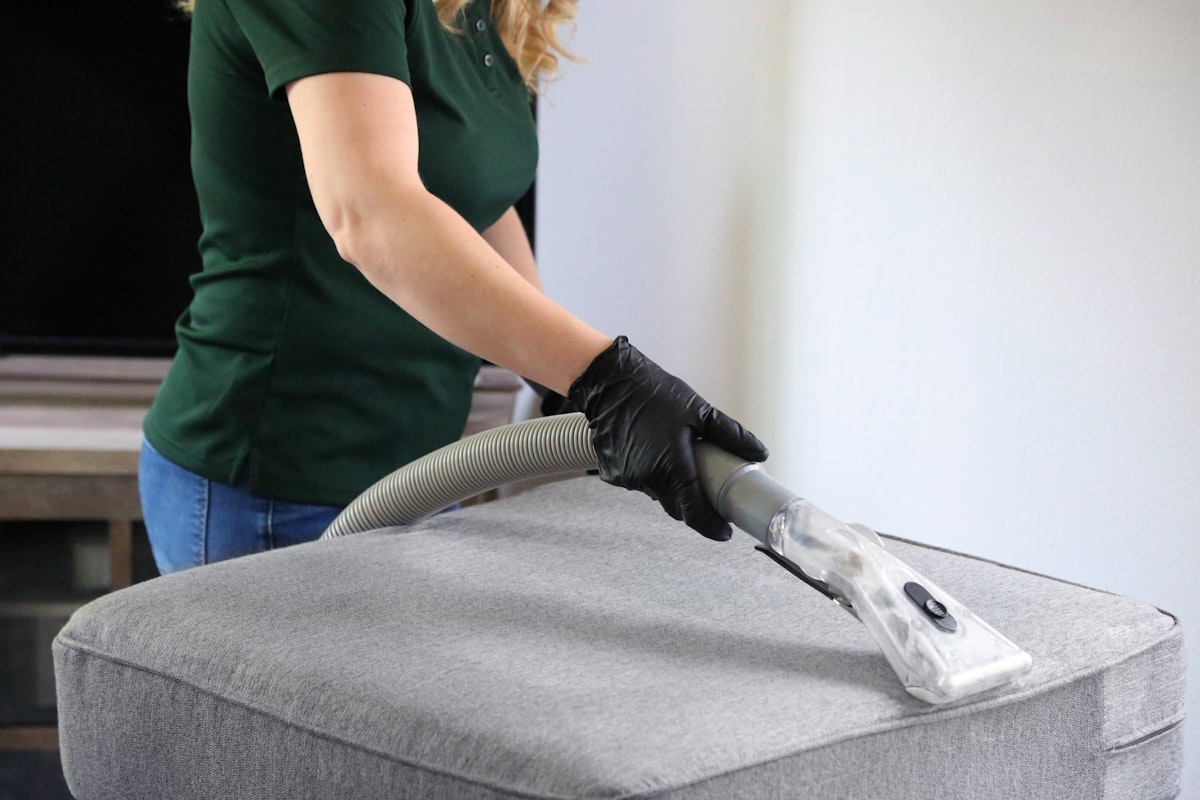
Most Sydney homeowners are diligent about vacuuming and cleaning their carpets. Their sofa? Not so much. Yet the average lounge suite gets just as much daily contact as a bedroom carpet — and often far more per square metre, given how closely you sit on it.
Professional upholstery cleaning is frequently dismissed as an unnecessary luxury. Here's the case for why it's one of the most practical investments you can make in your home.
What's Actually in Your Sofa Right Now
Upholstered furniture accumulates a surprisingly large amount of material over time:
- Dead skin cells. The average person sheds about 1.5 million skin cells per hour. A significant portion of these end up in the surface you're resting on — and they're the primary food source for dust mites.
- Dust mites. These microscopic organisms thrive in warm, humid environments — exactly what a regularly used sofa provides. Their droppings are a major allergen and asthma trigger.
- Body oils and sweat. These transfer to fabric during normal use and create a breeding ground for bacteria, as well as causing fabric to darken in the most-used areas over time.
- Pet dander and hair. If you have pets, the concentration of dander in upholstery is typically higher than anywhere else in the house.
- Food particles and spills. Even careful households accumulate food residue in seams and cushion crevices, which can attract pests and cause odours.
None of this is immediately visible. That's precisely why upholstered furniture is so often neglected — it looks clean long after it isn't.
What Professional Upholstery Cleaning Does
Our professional upholstery cleaning service involves significantly more than surface vacuuming or wiping down. Here's the process:
Fabric assessment. Before any cleaning begins, we identify the fabric type — polyester, cotton, microfibre, velvet, wool, leather — and check for any care code tags (W for water-safe, S for solvent-clean only, WS for both, X for vacuum only). Different fabrics require different approaches, and the wrong method can cause irreversible shrinkage, colour bleeding, or pile damage.
Pre-vacuuming and pre-treatment. We vacuum the entire piece thoroughly, including seams, crevices, and beneath cushions. A pre-treatment solution appropriate for the fabric type is applied to loosen soiling, break down oils, and address any specific stains.
Cleaning. Depending on the fabric, we use either a low-moisture extraction method (for more delicate or water-sensitive fabrics) or a hot water extraction process similar to carpet cleaning (for synthetic fabrics that can handle moisture). We use controlled application to avoid over-wetting.
Deodorising. A professional-grade deodoriser is applied to address any trapped odours — pet, body, or otherwise.
Speed-drying. We use fans and ventilation to accelerate drying time. Most fabric upholstery is dry within 2–4 hours.
What Professional Cleaning Can — and Can't — Fix
Understanding realistic expectations is important. Professional upholstery cleaning:
Can significantly improve:
- General soiling, body oil staining, and grimy discolouration
- Most food and drink stains if treated before they're fully set
- Pet odour from dander and moderate levels of pet accident contamination
- Dust mite populations and allergen load
- Musty or stale smells
May not fully resolve:
- Very old, set-in stains that have chemically bonded to the fibre
- Permanent colour changes caused by bleach or harsh chemicals
- Physical damage to fabric — tears, fraying, or pilling
- Severe, repeated pet urine contamination that has penetrated the foam
We'll always tell you honestly what's achievable before we start. If a piece of furniture has specific issues you're concerned about, mention them when you book and we'll give you a realistic assessment.
Is It Worth It Financially?
The straightforward comparison: professional cleaning costs a fraction of replacement.
A quality lounge suite in Sydney costs anywhere from $1,500 to $8,000 or more. Professional upholstery cleaning for a three-seater sofa and two armchairs typically costs $150 to $300 — roughly 2–5% of the replacement cost.
Cleaning extends the usable life of furniture by removing the abrasive particles and biological matter that degrade fabric over time. A lounge suite that is cleaned regularly will look better and last longer than one that isn't — potentially by years. From a purely financial perspective, the case is clear.
How Often Should You Have Upholstery Professionally Cleaned?
For most Sydney households:
- No pets, no children: Every 12–24 months
- Pets OR children: Every 6–12 months
- Pets AND children, or allergy sufferers: Every 6 months
- High-use pieces (main lounge, home office chairs): At least annually
Between professional cleans, vacuum upholstery thoroughly at least fortnightly using an upholstery attachment. This removes surface debris before it works its way into the fabric.
What About DIY Upholstery Cleaning?
Domestic steam cleaners and upholstery cleaning machines are widely available to hire in Sydney. They can address surface-level soiling, but they have real limitations compared to professional equipment:
- Less powerful extraction means more moisture left in the fabric, increasing the risk of mould or mildew — particularly relevant in Sydney's humidity
- No pre-treatment or fabric assessment increases the risk of damage to delicate materials
- Cleaning compounds available to consumers are less concentrated than professional solutions
- Without experience, it's easy to leave residue that re-attracts soil quickly, meaning your furniture looks worse within weeks
If you're between professional cleans, DIY cleaning can maintain appearance — but it shouldn't replace a professional deep clean. Think of it as the equivalent of vacuuming between professional carpet cleans.
Leather Upholstery
Leather is a different material requiring a different approach. It should never be cleaned with water-based products designed for fabric — moisture causes leather to crack and lose its suppleness over time. Professional leather cleaning uses specifically formulated pH-neutral cleaners that clean and condition simultaneously, preserving the finish and flexibility of the leather.
We clean leather as part of our upholstery service and will identify the leather type (aniline, semi-aniline, pigmented) to ensure the right products are used. If you're unsure whether your "leather" sofa is genuine leather or a synthetic alternative, we can identify it before treatment.
The Bottom Line
Professional upholstery cleaning is worth it. The hygiene benefits — removing allergens, bacteria, and dust mites — are tangible, particularly if anyone in your household has allergies or asthma. The appearance benefits are immediate. And the financial logic of protecting a significant asset for 2–5% of its replacement value per clean is straightforward.
The question isn't really whether it's worth it. It's how long you've been putting it off.
Ready to see the difference?
Professional upholstery cleaning for sofas, lounge suites, chairs, and ottomans across Sydney. Get a no-obligation quote today.